 English
 Deutsch
 Français
 Dansk
 Nederlands
 Italiano
 Español
 Português
 Polski
 Čeština
 Slovenčina
 Slovenščina
 Lietuvių
 Latviešu
 Eesti
 Română

Clematis 'Mrs James Mason'


Clematis 'Mrs James Mason'
Growth height 200 cm
Striking double violet blooms
- – Large violet flowers with a central bar from May to August
- – Perfect for trellises, obelisks and containers – sun to semi-shade
- – Semi-double first flush, reliably hardy to zone 6
Unfortunately not available at the moment.
Similar varieties you can order now
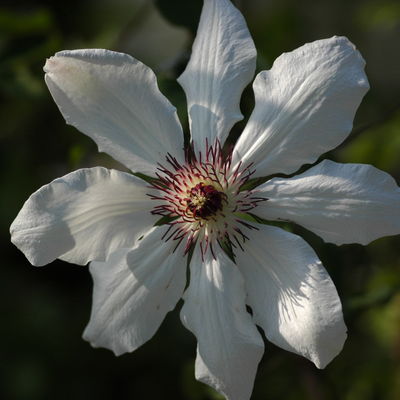
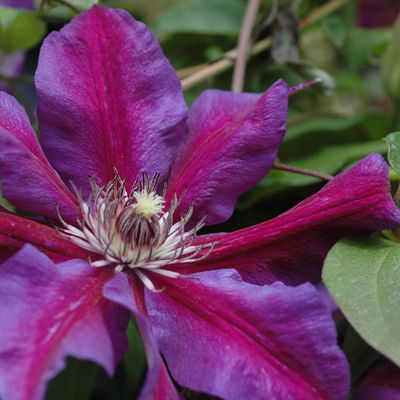
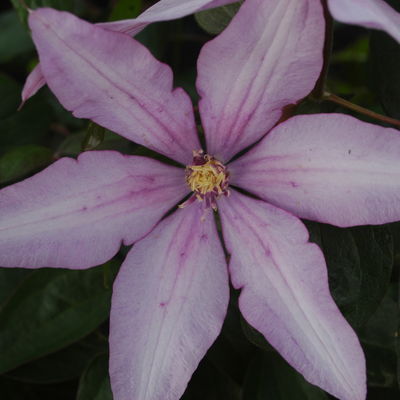
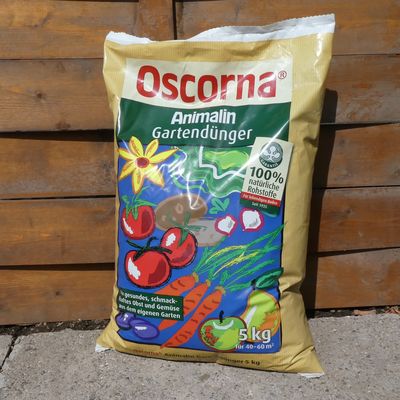
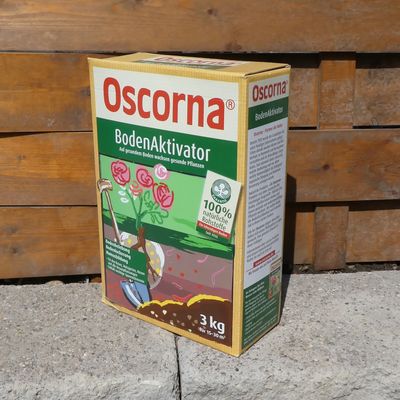
Fertiliser included – free shipping within Germany
Add a promotional item – we deliver the entire order with free shipping.
The discount applies per item: every promotional item in the basket reduces the shipping costs by the amount of one parcel.
Handy extras
Fertiliser included – free shipping within Germany
Select size – we deliver the entire order with free shipping. Everything ships together.
- Colour
- violet
- Height
- 200 cm
- Flower size
- 12-15 cm
- Flowering period
- May to June + August
- Pruning / care
- cut back to 100 cm in June
- Pruning group
- 2
- Hardiness
- Zone 6 -23.3 to -17.8 °C
- Supplied as
- 2 l pot, with sturdy shoots
Clematis 'Mrs James Mason' was bred in 1984 by British breeder Barry Fretwell, a cross between 'Vyvyan Pennell' and 'Dr. Ruppel'. Its 12–15 cm flowers open in the first flush in May and June as double to semi-double, in a rich violet with a reddish-mauve central bar; the second flush in August is then single.
At around 200 cm, 'Mrs James Mason' suits trellises, obelisks and other supports and also thrives in containers. It grows well in both sun and semi-shade, providing an abundance of blooms across its two flowering periods.
'Mrs James Mason' is reliably winter-hardy (zone 6, down to about -23 °C). Cut the plant back to about 100 cm after the first flowering in June — this encourages vigorous new growth and a rich second flush in August.
Experiences and pictures from our visitors (0)
✓ this is about the plant, not the parcel service ✓ many years of experience and pictures from many regions ✓ more than 1,000 posts since 2002


Read here what you should bear in mind when planting and how to prepare the planting site.
Everything about pruning groups and how to interpret them for the right pruning.
last viewed:


