 English
 Deutsch
 Français
 Dansk
 Nederlands
 Italiano
 Español
 Português
 Polski
 Čeština
 Slovenčina
 Slovenščina
 Lietuvių
 Latviešu
 Eesti
 Română

Clematis 'Perrins Pride'


Clematis 'Perrins Pride'
Growth height 300 cm
Deep violet summer bloom
- – Velvety violet flowers, 10–15 cm across, from July to September
- – Vigorous climber for trellises and obelisks – suits any aspect
- – Hardy to zone 6 – decorative seed heads follow the flowers
Unfortunately not available at the moment.
Similar varieties you can order now
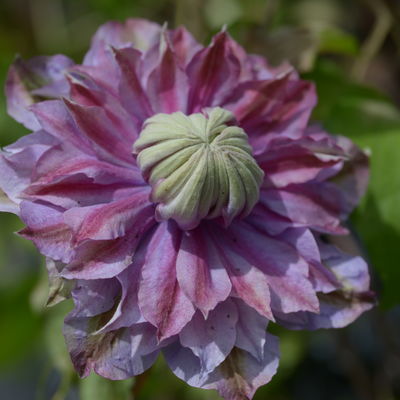
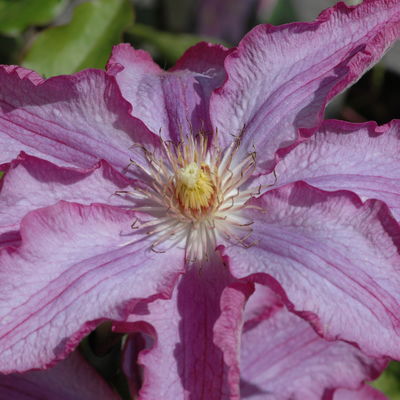
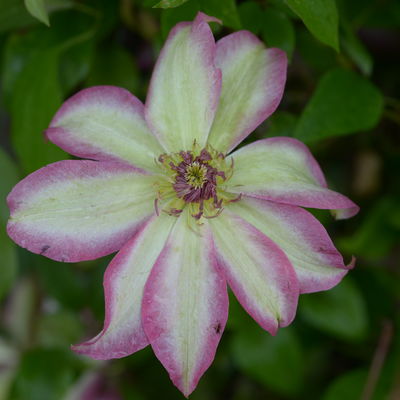
Fertiliser included – free shipping within Germany
Add a promotional item – we deliver the entire order with free shipping.
The discount applies per item: every promotional item in the basket reduces the shipping costs by the amount of one parcel.
Handy extras
Fertiliser included – free shipping within Germany
Select size – we deliver the entire order with free shipping. Everything ships together.
Goes well with
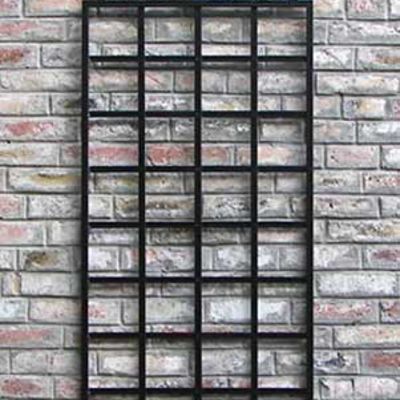


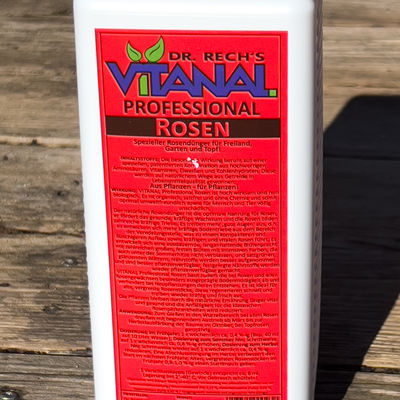
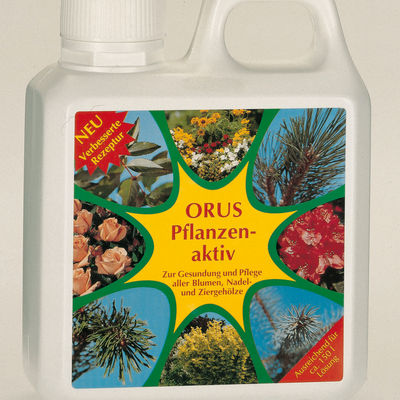
- Colour
- violet
- Height
- 300 cm
- Flower size
- 10-15 cm
- Flowering period
- July to September
- Pruning / care
- cut back to 50 cm in March
- Pruning group
- 3
- Hardiness
- Zone 6 -23.3 to -17.8 °C
- Supplied as
- 2 l pot, with sturdy shoots
Clematis 'Perrins Pride' was raised by American breeder A H Steffen and introduced to Britain by Jim Fisk in 1991. Its 10–15 cm flowers glow in velvety violet, each of the six slightly reflexed, overlapping tepals showing a somewhat darker central bar; the stamens range from dark brown to greenish bronze.
At around 300 cm, 'Perrins Pride' suits trellises, obelisks and larger supports well, and thrives in any aspect. From July to September it flowers freely, bringing summer colour right into early autumn.
'Perrins Pride' is reliably winter-hardy (zone 6, down to about -23 °C). For vigorous growth and abundant flowering, cut the plant back to about 50 cm in March; decorative seed heads also adorn the vines after flowering.
Experiences and pictures from our visitors (0)
✓ this is about the plant, not the parcel service ✓ many years of experience and pictures from many regions ✓ more than 1,000 posts since 2002


Read here what you should bear in mind when planting and how to prepare the planting site.
Everything about pruning groups and how to interpret them for the right pruning.


