AddPlease select a size first.Added to the basket.Unfortunately that did not work. Please try again.no size selected – not includedalso ordered:click again to deselect
Purchase on invoice · 14-day right of withdrawal
Shipping 5,90 € via GLS (bare-root only), otherwise 6,90 €
To all 27 EU countries and Switzerland
DHLGLS– you choose the shipping carrier
Fertiliser included – free shipping
within Germany
Select size – we deliver the entire order with free shipping. Everything ships together.
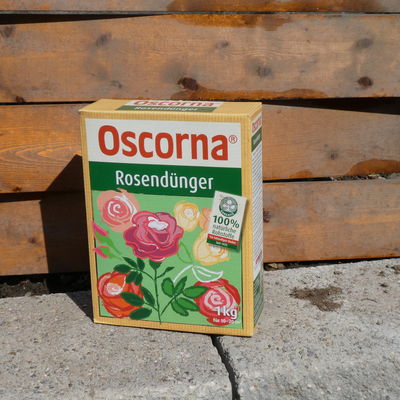
Oscorna Rose Fertiliser
1kg rose fertiliser in a carton – 20 kg sack of rose fertiliser
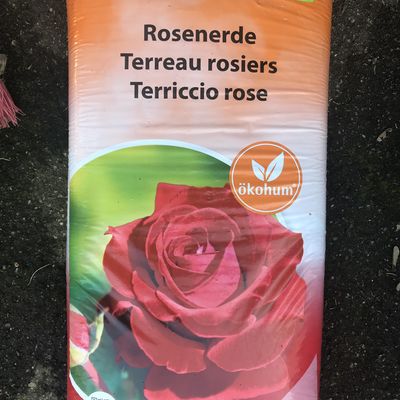
Organic rose compost, peat-free
15 L bag – 45 L bag
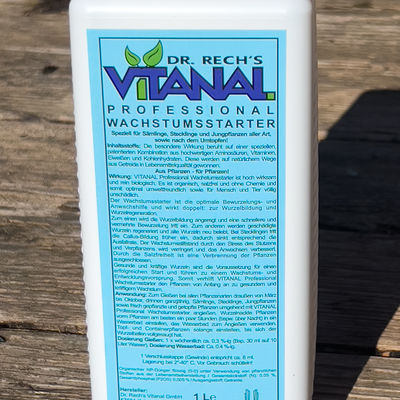
Oscorna BodenAktivator
3 kg carton of soil activator – 25 kg bag of soil activator
* complete thornless roses do not exist. Any thorns that may be present are not grounds for a complaint
Veilchenblau is a beautiful, lushly flowering multiflora rambler rose. In June it bears a multitude of small, purple-violet blooms with a white eye and appealing stamens, in large clusters. At the main flowering it gives off a pleasant fragrance that can be perceived from far away. In autumn it forms lovely rose hips that birds enjoy.
The almost thornless rambler rose Veilchenblau is extremely robust and bears healthy foliage. It is enormously widespread and is also very popular with beginners. It is suitable for use on fences, a wall or larger arches. At its location it also tolerates shade and difficult soil conditions. The light green foliage is healthy, and its frost hardiness is more than adequate for our zones. Pruning is generally not necessary; if it has to be cut back for reasons of space, this is best done shortly after the main flowering or in late autumn.
Experiences and pictures from our visitors (5)
✓ this is about the plant, not the parcel service ✓ many years of experience and pictures from many regions ✓ more than 1,000 posts since 2002
this profusely flowering rose has been a highlight of the summer for years. as I no longer liked its growth habit, I cut it back very rigorously, almost to the root, a year ago. a year later the rose had already regained its original size and in that time had let itself be wonderfully shaped according to my ideas. this rose is especially recommendable because it has no thorns. that makes it easier to look after and also to plant right next to the terrace. unfortunately I have not yet noticed the delicate fragrance this rose is supposed to have. several friends have let me convert them to this rambler and have had similar experiences!
greetings ronald
Ich habe zwei Veilchenblau vor 3 Jahren an einem Lamellenzaun angepflanzt.
Mittlerweile hat jede Rose sich fast über 3 Felder dieses Zaunes ausgebreitet, so dass der Zaun kaum noch zu sehen ist, und sie sind auch in die Linden, die vor dem Zaun stehen, gewachsen. Wenn sie blühen, ist es jedes Mal ein Genuss, diese tolle Farbzusammensetzung
zu sehen - ein Muss für Rosenfans, die schnell einen Zaun oder eine Mauer beranken lassen wollen. Wirklich schade, dass sie nur einmal blüht, aber die Anzahl der Blüten entschädigt dafür.
“
Anja Duit30.05.2005 13:35
Habe diese Rose vor 5 Jahren gepflanzt und sie wird von Jahr zu Jahr schöner.Sehr gesund und überreich blühend ist sie ein Blickfang in meinem Garten,dazu verbreitet sie einen angenehmen Duft.
“
Träder23.07.2005 18:01
Wir hatten Veilchenblau an eine kümmerliche irke gepflanzt, die durch einen Orkan stark beschjädigt war. Im ersten Jahr kümmerte die rose so vor sich hin, brachte kaum Blüten, im 2. Jahr waren schon einige Blüten zu sehen und sie bildete lange Triebe, aber heuer übertrifft sie meine kühnsten Erwartungen. Sie blüht überreichlich an einem Rosenbogen hinauf, und auf der anderen Seite schon wieder fast hinunter. Die Triebe sind dick und haben den Rosenbogen fest im Klammergriff. Ein püaar Triebe sind sogar weit in die Birke hinaufgeschossen. Um ihr nicht Kraft zu nehmen, mußte ich diese schon einkürzen. Obwohl ihr Standort wegen gelegentlich aufkommender Staunässe wirklich nicht ideal ist, haben wir viel Freude an ihr und sie gedeiht prächtig.
“
Jutta Seidel26.06.2007 14:35
Fantastic rambler, brilliant colour
In spring 2016 we planted "Veilchenblau" against a rather ugly old willow. Thanks to the good tips for planting in difficult soil (in a bucket without a bottom) it established well. In the first year there were still few blooms, but then it literally "exploded".
By now it is more than 5 metres tall. Even extreme cold harmed it only insignificantly. Now and then I cut off shoots that are too long, otherwise it is allowed to grow and bloom beautifully. Many people stop and are amazed at this brilliant colour.
Veilchenblau not growing, losing its leaves or getting yellow leaves? Here you can find out whether it is powdery mildew, black spot or rose rust, and what you can do about these diseases.
- namely if you Veilchenblau bought, planted and observed and cared for in the garden over several years some time ago.
Now help other garden lovers with your valuable experience when choosing a variety.
A rose is more than a parcel.A clematis is more than a parcel.Once it is shipped, its story with you begins.We have been working with [[rosen]] since 1896. We know: a good plant needs more than safe shipping.We have been working with [[rosen]] and [[clematis]] since 1896. We know: a good plant needs more than safe shipping.That is why we offer you not only plants, but also the [[wissen]] and experience to plant, prune and care for them properly.Schmid Gartenpflanzen · Rose nursery since 1896Schmid Gartenpflanzen · Rose and clematis nursery since 1896rosesclematisknowledgeknowledgeMore about our nursery
 English
 Deutsch
 Français
 Dansk
 Nederlands
 Italiano
 Español
 Português