 English
 Deutsch
 Français
 Dansk
 Nederlands
 Italiano
 Español
 Português
 Polski
 Čeština
 Slovenčina
 Slovenščina
 Lietuvių
 Latviešu
 Eesti
 Română

Clematis alternata


Clematis alternata
Growth height 400 cm
Rare Red-Flowering Wild Species
- – Bold red bell flowers from May to October
- – Ideal for sunny to partly shaded trellises and walls
- – Rare species with uniquely alternate leaves
Unfortunately not available at the moment.
Similar varieties you can order now
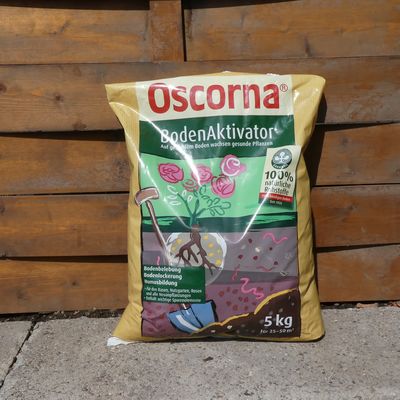
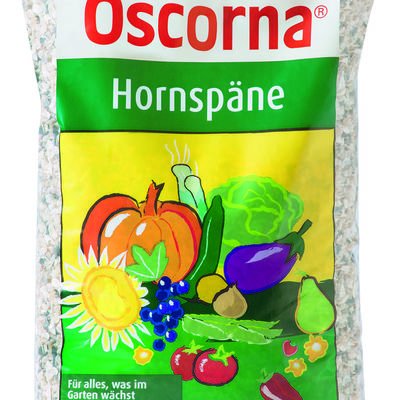
Fertiliser included – free shipping within Germany
Add a promotional item – we deliver the entire order with free shipping.
The discount applies per item: every promotional item in the basket reduces the shipping costs by the amount of one parcel.
Handy extras
Fertiliser included – free shipping within Germany
Select size – we deliver the entire order with free shipping. Everything ships together.
Goes well with

- Colour
- red
- Height
- 400 cm
- Flower size
- 3 cm
- Flowering period
- May to October
- Pruning / care
- cut back to 100 cm in June
- Pruning group
- 1
- Hardiness
- Zone 9 -6.6 to -1.2 °C
- Supplied as
- 2 l pot, with sturdy shoots
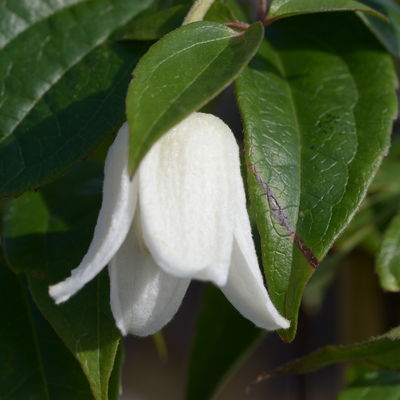
Clematis 'alternata' is a botanical wild species originally native to the Himalayan region – its natural home lies in Nepal and Tibet. It is the only known clematis species whose leaves are arranged alternately rather than opposite along the stem, which also gave it its name. From May to October it bears 3 cm bell- to urn-shaped flowers in bold red: they hang singly and nodding from the leaf axils, with four strongly recurved sepals and greenish stamens.
Growing to around 400 cm, 'alternata' climbs vigorously on trellises, trellis panels and larger supports, and suits sunny to partly shaded walls facing south, east or west. This undemanding wild species is drought-tolerant and thrives even on rather lean, well-drained soils – heavy, waterlogged clay soils, however, do not suit it. Thanks to its more compact habit, it is also suitable for container growing.
'alternata' is rated for zone 9 (down to about -6.6 to -1.2 °C) and therefore needs a mild, sheltered winter position; in harsher locations, winter protection or container cultivation with frost-free overwintering is recommended. For vigorous new growth and abundant flowering, cut the plant back to about 50 cm in March.
Experiences and pictures from our visitors (0)
✓ this is about the plant, not the parcel service ✓ many years of experience and pictures from many regions ✓ more than 1,000 posts since 2002


Read here what you should bear in mind when planting and how to prepare the planting site.
Everything about pruning groups and how to interpret them for the right pruning.
last viewed:


