AddPlease select a size first.Added to the basket.Unfortunately that did not work. Please try again.no size selected – not includedalso ordered:click again to deselect
Purchase on invoice · 14-day right of withdrawal
Shipping 5,90 € via GLS (bare-root only), otherwise 6,90 €
To all 27 EU countries and Switzerland
DHLGLS– you choose the shipping carrier
Fertiliser included – free shipping
within Germany
Select size – we deliver the entire order with free shipping. Everything ships together.
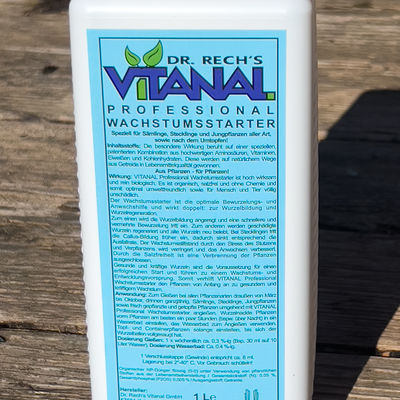
Oscorna Rose Fertiliser
1kg rose fertiliser in a carton – 20 kg sack of rose fertiliser
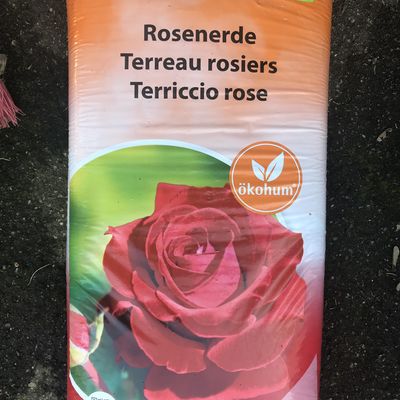
Organic rose compost, peat-free
15 L bag – 45 L bag
Oscorna BodenAktivator
3 kg carton of soil activator – 25 kg bag of soil activator
Violacea is probably one of the most beautiful once-flowering roses. The simple yet (or perhaps precisely because of that) beautiful flowers are velvety-tinged and give the impression of a fine fabric.
The clearly visible stamens in the centre of the flower form a pleasant contrast.
In my garden Violacea is a tall but not very spreading shrub of a stately 2 m in height.
The plant is hardly susceptible and, although the flowering is long over, it impresses above all in autumn with its colourful foliage, which it keeps for a very long time.
Als ich die "Schöne Sultanin" zum ersten Mal in meinem Garten in Blüte sah, war ich total überrascht und vollkommen begeistert von ihrer Ausdruckstärke: die fast einfachen kleinen Blüten sind von einem samtartigen, dunklen Granatroten, die ins Violett-Purpur stechen, und die leuchtend goldenen Staubgefäße, die von einer kaum merklichen kleinen weißen Zone umgeben sind, geben einen ausdrucksvollen Kontrast. Der Duft ist ebenfalls stark. Die Pflanze hat einen eher aufrechten Wuchs und lässt ihre langen Zweige in die Höhe schießen und anschließen überhängen. In meinem Garten hat sie am Rand des Gemüsebeets Wurzeln geschlagen, obwohl sie dort nur eingeschlagen auf ihren definitiven Standort wartete. Sie ist inzwischen zu einem wunderschönen Strauch geworden und ich glaube nicht, dass ich sie umsetzen werde. Der Platz gefällt ihr gut und eine Umpflanzung würde ihr bestimmt missfallen. Das Laub ist tiefgrün, absolut gesund und von Krankheiten verschont und fast dornenfrei, was auch ein Pluspunkt ist. Für mich ist diese Gallica ein Muss in jedem Rosengarten.
“
Marielou26.12.2010 14:51
Wonderful velvety flowers already in the 1st early summer after planting the bare-root plants
Distinct but pleasant classic flower fragrance; despite the very wet spring, no problems with powdery mildew or pests
Violacea ('La Belle Sultane') not growing, losing its leaves or getting yellow leaves? Here you can find out whether it is powdery mildew, black spot or rose rust, and what you can do about these diseases.
- namely if you Violacea ('La Belle Sultane') bought, planted and observed and cared for in the garden over several years some time ago.
Now help other garden lovers with your valuable experience when choosing a variety.
A rose is more than a parcel.A clematis is more than a parcel.Once it is shipped, its story with you begins.We have been working with [[rosen]] since 1896. We know: a good plant needs more than safe shipping.We have been working with [[rosen]] and [[clematis]] since 1896. We know: a good plant needs more than safe shipping.That is why we offer you not only plants, but also the [[wissen]] and experience to plant, prune and care for them properly.Schmid Gartenpflanzen · Rose nursery since 1896Schmid Gartenpflanzen · Rose and clematis nursery since 1896rosesclematisknowledgeknowledgeMore about our nursery
Schmid Gartenpflanzen | since 1896
Where should we deliver to?
Price and shipping depend on the delivery country.
 English
 Deutsch
 Français
 Dansk
 Nederlands
 Italiano
 Español
 Português