 English
 Deutsch
 Français
 Dansk
 Nederlands
 Italiano
 Español
 Português
 Polski
 Čeština
 Slovenčina
 Slovenščina
 Lietuvių
 Latviešu
 Eesti
 Română

Clematis heracleifolia


Clematis heracleifolia
Growth height 100 cm
Fragrant wild species for borders
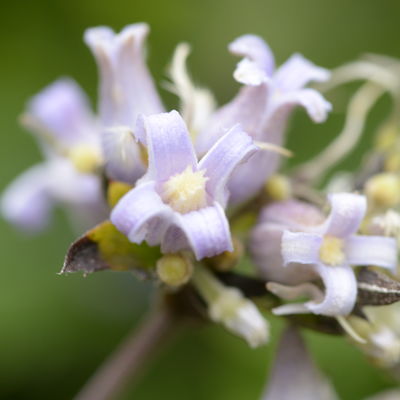
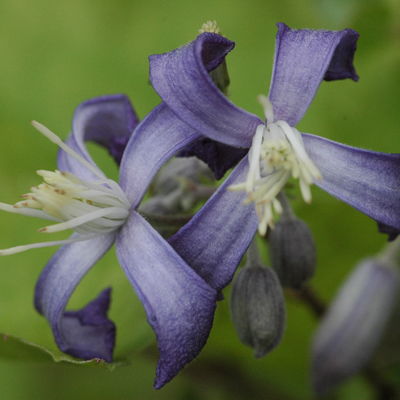
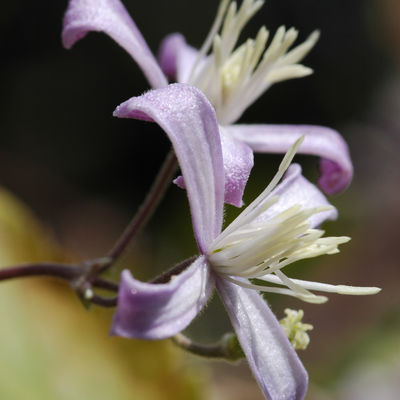
- – Fragrant violet-blue flower clusters from June to September
- – Non-climbing – easy-care border plant for sun to part shade
- – Parent species of the heracleifolia group, hardy to zone 5
Unfortunately not available at the moment.
Similar varieties you can order now
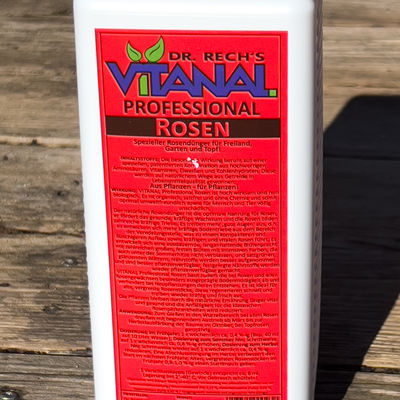
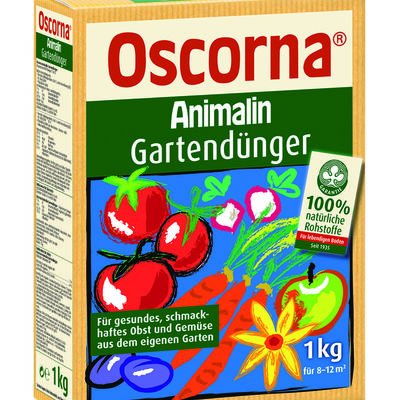
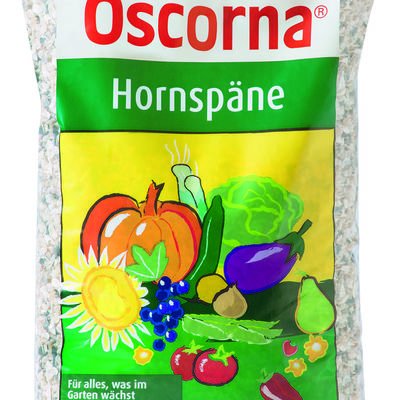
Fertiliser included – free shipping within Germany
Add a promotional item – we deliver the entire order with free shipping.
The discount applies per item: every promotional item in the basket reduces the shipping costs by the amount of one parcel.
Handy extras
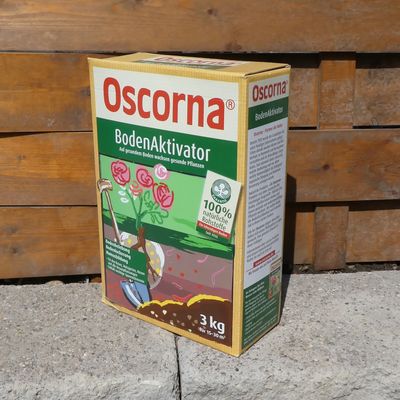
Fertiliser included – free shipping within Germany
Select size – we deliver the entire order with free shipping. Everything ships together.
Goes well with
- Colour
- violet-blue
- Height
- 100 cm
- Flower size
- 1-2 cm
- Flowering period
- June to September
- Pruning / care
- cut back to 10 cm in March
- Pruning group
- 3
- Hardiness
- Zone 5 -28.8 to -23.4 °C
- Supplied as
- 2 l pot, with sturdy shoots
Clematis heracleifolia is the eponymous wild species of the heracleifolia group and originates from northern China, where it has been in cultivation since 1837. Its species name refers to the resemblance of its leaves to the cow parsnip genus Heracleum. From June to September it bears violet-blue, tubular flowers about 1-2 cm across, densely packed into fragrant clusters in the leaf axils, opening into a hyacinth-like shape with slightly recurved sepals and a yellow centre.
Unlike most clematis species, Clematis heracleifolia does not climb: it grows as an upright, sub-shrubby perennial to about 100 cm, leaning only loosely on neighbouring plants at most. This makes it a low-maintenance border plant for sunny to part-shaded spots, also suited to low supports or containers. As the parent species of the heracleifolia group, it stands behind numerous garden cultivars such as 'Cassandra' or 'Davidiana'.
Clematis heracleifolia is reliably winter-hardy (zone 5, down to about -23 °C) and belongs to pruning group 3. Cut the plant back to about 10 cm in March so it sprouts vigorously and flowers abundantly the following year.
Experiences and pictures from our visitors (0)
✓ this is about the plant, not the parcel service ✓ many years of experience and pictures from many regions ✓ more than 1,000 posts since 2002


Read here what you should bear in mind when planting and how to prepare the planting site.
Everything about pruning groups and how to interpret them for the right pruning.


