AddPlease select a size first.Added to the basket.Unfortunately that did not work. Please try again.no size selected – not includedalso ordered:click again to deselect
Purchase on invoice · 14-day right of withdrawal
Shipping 5,90 € via GLS (bare-root only), otherwise 6,90 €
To all 27 EU countries and Switzerland
DHLGLS– you choose the shipping carrier
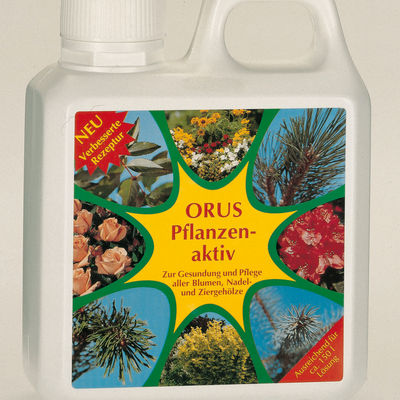
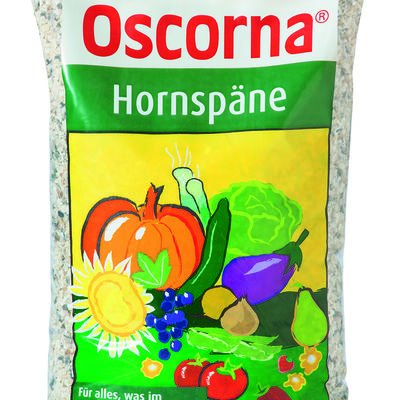
Fertiliser included – free shipping
within Germany
Select size – we deliver the entire order with free shipping. Everything ships together.
Oscorna Rose Fertiliser
1kg rose fertiliser in a carton – 20 kg sack of rose fertiliser
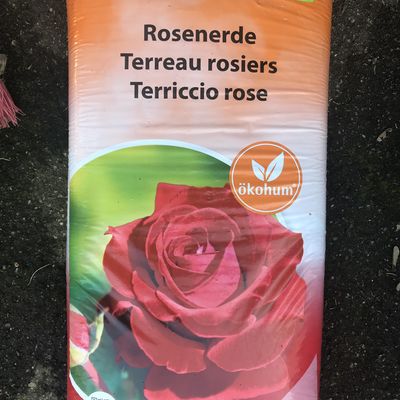
Organic rose compost, peat-free
15 L bag – 45 L bag
Oscorna BodenAktivator
3 kg carton of soil activator – 25 kg bag of soil activator
This stately shrub rose bears its graceful, semi-double, apricot-coloured blooms in large clusters, held just above the soil. They exude a slight tea-rose fragrance with a hint of myrrh. The charming rose bush is very healthy and has a vigorously upright, loose growth habit. Thanks to its loosely double blooms, it attracts insects. It is suitable for naturalistic gardens, in a border, a hedge or as a specimen planting, even in partial shade.
Experiences and pictures from our visitors (2)
✓ this is about the plant, not the parcel service ✓ many years of experience and pictures from many regions ✓ more than 1,000 posts since 2002
I own over 30 roses in total.
But if I could only plant a single one, it would be The Lark Ascending.
This rose simply brims with health and it flowers all the time! Really all the time! I have it in full sun, which doesn't bother it. Even rain can't harm the petals. Even in the harsh winter of 20/21 it didn't die back a single centimetre (the only one!)
It smells wonderful, not so old fashion, but still sweet and rosy. I can smell it at breakfast through the slightly open patio door.
On top of that it is insect-friendly and is visited by wild bees, hoverflies and bumblebees.
When it gets aphids, which always happens in spring, I just wait for hoverflies and the matter is settled after a short time.
The only drawback might be its many thorns, because it is a real thorn monster (similar to Munstead Wood).
The size indications are, as with most Austins, wrong once again. Only recently it has pushed out several shoots over 2 metres long. The longest is 2.5 m long. And it is not even 3 years old yet.
It forms a beautiful, spreading shrub if you don't tie it up high, see photo. The upper shoots are fresh, which is why it isn't flowering so lavishly right now, but there are already plenty of buds on it again.
I do prune it regularly, but I'm pretty sure it would flower regularly even without pruning.
All in all my absolute favourite rose (and that despite having quite a few very wonderful roses such as Ghislaine de Feligonde, Mary Rose, Pomponella, ...)
PS: The colour is a little softer in real life than in the photos.
The Lark Ascending grows in my garden in a full-sun and rather stony spot.
After four years in place it has not only established itself as a continuously flowering, very vigorous and insect-friendly beauty, above all it delights me with a weather resistance that has come through permanent frosts of below minus 10 degrees as well as the heat and drought periods of recent years unscathed. I only watered it to get established, in the first two years in place.
The Lark Ascending not growing, losing its leaves or getting yellow leaves? Here you can find out whether it is powdery mildew, black spot or rose rust, and what you can do about these diseases.
- namely if you The Lark Ascending ® bought, planted and observed and cared for in the garden over several years some time ago.
Now help other garden lovers with your valuable experience when choosing a variety.
A rose is more than a parcel.A clematis is more than a parcel.Once it is shipped, its story with you begins.We have been working with [[rosen]] since 1896. We know: a good plant needs more than safe shipping.We have been working with [[rosen]] and [[clematis]] since 1896. We know: a good plant needs more than safe shipping.That is why we offer you not only plants, but also the [[wissen]] and experience to plant, prune and care for them properly.Schmid Gartenpflanzen · Rose nursery since 1896Schmid Gartenpflanzen · Rose and clematis nursery since 1896rosesclematisknowledgeknowledgeMore about our nursery
 English
 Deutsch
 Français
 Dansk
 Nederlands
 Italiano
 Español
 Português
 Polski
 Čeština
 Slovenčina
 Slovenščina
 Lietuvių
 Latviešu
 Eesti
 Română