 English
 Deutsch
 Français
 Dansk
 Nederlands
 Italiano
 Español
 Português

Pride of Reigate

Rose (1884)
Pride of Reigate
Growth height 1.2 m Width 0.9 m
Bicoloured Remontant rose for borders
- – Double, repeat-flowering blooms
- – 1.2 x 0.9 m, upright growth, ideal for smaller garden areas
- – Pleasantly fragrant blooms
Archived, currently not in our range
We do not currently stock this variety. We are keeping the description so that it remains easy to find.
Similar varieties you can order now
Fertiliser included – free shipping within Germany
Add a promotional item – we deliver the entire order with free shipping.
The discount applies per item: every promotional item in the basket reduces the shipping costs by the amount of one parcel.
Handy extras
Fertiliser included – free shipping within Germany
Select size – we deliver the entire order with free shipping. Everything ships together.
Goes well with
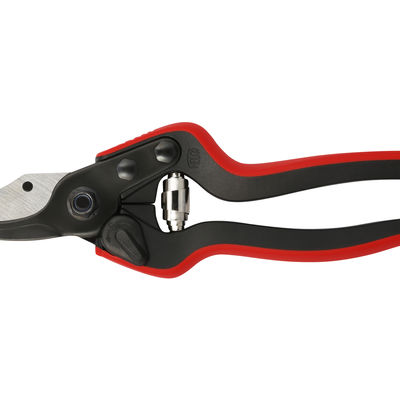

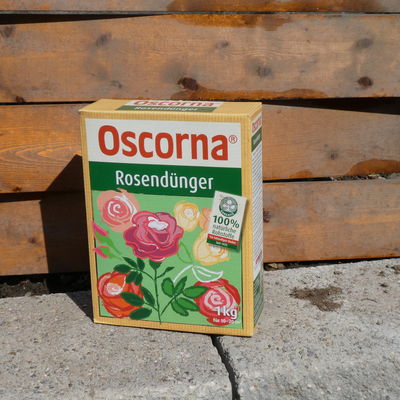
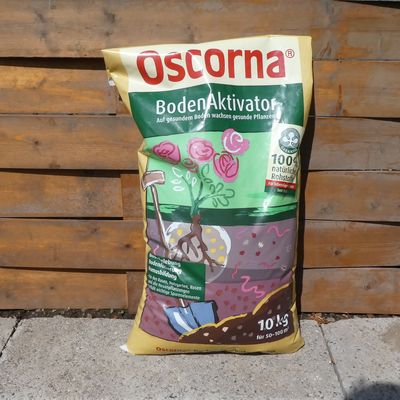

- Name (bot.)
- Rosa 'Pride of Reigate'
- Breeder / year
- 1884
- Height x width
- 1.2 m x 0.9 m
- Flowering habit
- Repeat-flowering (reblooming)
- Fragrance
- fragrant
- Location / use / care
- suitable for pots and containers
tolerates poor soils - Description of the flower
- Pretty, double flowers in white and light pink on a carmine-red ground.
- Thorniness
- normally thorned / not specified
Experiences and pictures from our visitors (0)
✓ this is about the plant, not the parcel service ✓ many years of experience and pictures from many regions ✓ more than 1,000 posts since 2002


Read here what you need to consider when planting the rose Pride of Reigate should be aware of and how to prepare the planting site.
The most important care for roses is annual pruning. Here we explain when and how you Pride of Reigate prune.
For abundant blooms, you should fertilise the rose twice a year. Here you can find out when and how to supply a rose with nutrients.
The right way to move an old, established rose so that it keeps growing well in its new location.
An overview of animal pests on roses, including scale insects.
With tips on biological control.
Pride of Reigate not growing, losing its leaves or getting yellow leaves?
Here you can find out whether it is powdery mildew, black spot or rose rust, and what you can do about these diseases.
last viewed:


