 English
 Deutsch
 Français
 Dansk
 Nederlands
 Italiano
 Español
 Português

Clematis 'Joe'


Clematis 'Joe'
Growth height 150 cm
Delicate New Zealand rarity
- – Abundant white flowers with yellow stamens from March to April
- – Compact and trailing (150 cm) – ideal for pots, banks or wall tops
- – Evergreen fern-like foliage, hardy to zone 9 in a sheltered spot
Unfortunately not available at the moment.
Similar varieties you can order now
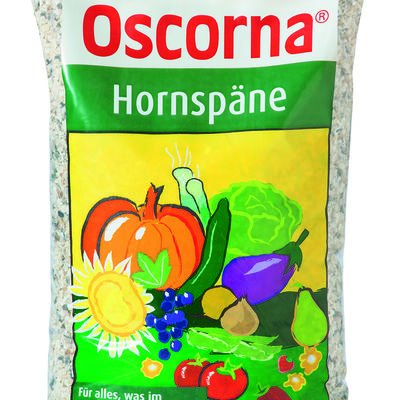
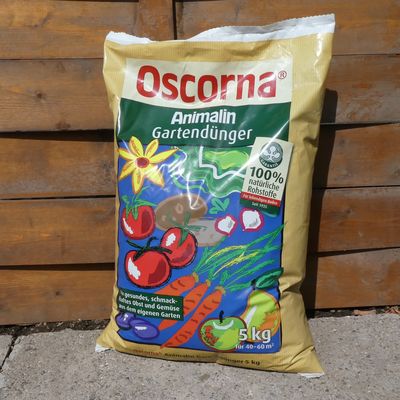
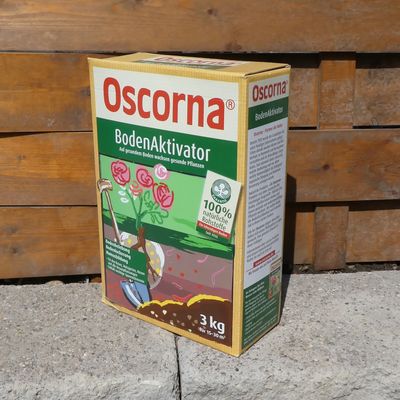
Fertiliser included – free shipping within Germany
Add a promotional item – we deliver the entire order with free shipping.
The discount applies per item: every promotional item in the basket reduces the shipping costs by the amount of one parcel.
Handy extras
Fertiliser included – free shipping within Germany
Select size – we deliver the entire order with free shipping. Everything ships together.
Goes well with
- Colour
- white
- Height
- 150 cm
- Flower size
- 4-5 cm
- Flowering period
- March to April
- Pruning / care
- cut back to 75 cm in May
- Pruning group
- 1
- Hardiness
- Zone 9 -6.6 to -1.2 °C
- Supplied as
- 2 l pot, with sturdy shoots
Clematis 'Joe' belongs to the New Zealand Forsteri Group and stems from a cross between Clematis marmoraria and Clematis paniculata. It is named after New Zealand botanist Joe Cartman, who sent the seed of the original plant to the raisers; in the UK, the cultivar was already on sale in the early 1980s. Its bowl-shaped white flowers have 5-6 tepals with creamy to pale yellow stamens, and since 'Joe' is a male-only cultivar, they appear in especially large numbers.
From March to April, the fine, evergreen, fern-like foliage turns into a dense sea of white flowers. At around 150 cm, 'Joe' grows more as a trailing rambler than a climber, making it well suited to pots, hanging baskets, banks or wall tops. It thrives best in a sunny to partly shaded, wind-sheltered spot with well-drained soil.
'Joe' suits zone 9 (down to about -6.6 to -1.2 °C) and needs a sheltered position in exposed sites, or container culture that can be moved close to the house or into a cold greenhouse in winter. Cut it back to about 75 cm in May, as recommended for this stock; by nature the cultivar belongs to pruning group 1, where no compulsory pruning is actually needed – light tidying straight after flowering is usually enough.
Experiences and pictures from our visitors (0)
✓ this is about the plant, not the parcel service ✓ many years of experience and pictures from many regions ✓ more than 1,000 posts since 2002


Read here what you should bear in mind when planting and how to prepare the planting site.
Everything about pruning groups and how to interpret them for the right pruning.
last viewed:


