AddPlease select a size first.Added to the basket.Unfortunately that did not work. Please try again.no size selected – not includedalso ordered:click again to deselect
Purchase on invoice · 14-day right of withdrawal
Shipping 5,90 € via GLS (bare-root only), otherwise 6,90 €
To all 27 EU countries and Switzerland
DHLGLS– you choose the shipping carrier
Fertiliser included – free shipping
within Germany
Select size – we deliver the entire order with free shipping. Everything ships together.
Oscorna Rose Fertiliser
1kg rose fertiliser in a carton – 20 kg sack of rose fertiliser
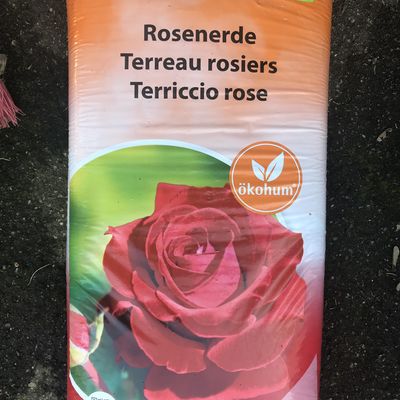
Organic rose compost, peat-free
15 L bag – 45 L bag
Oscorna BodenAktivator
3 kg carton of soil activator – 25 kg bag of soil activator
Crimson and purple, densely double, in clusters, flowering once, very abundantly.
The blooms appear in large, loose clusters.
Also thrives well in poor soils.
A low-maintenance rambler for beginners.
Experiences and pictures from our visitors (5)
✓ this is about the plant, not the parcel service ✓ many years of experience and pictures from many regions ✓ more than 1,000 posts since 2002
The buds of this rose look like little balls and open into a luminous red that shades into purple. They have a musky fragrance. It is a vigorous rose that also copes with difficult locations or shade and is disease-resistant.
Obwohl wir die Russeliana im Herbst eingesetzt hatten, blühte sie im darauf folgenden Sommer überhaupt nicht. Ich war masslos enttäuscht. In diesem Jahr überrascht sie mich allerdings mit einer enormen Blütenfülle, die mich begeistert. Ich bin gespannt, wie lang diese dauern wird.
“
Jutta Seidel25.06.2005 10:15
Gute lila Fernwirkung, gedeiht gut/winterhart, gesundes üppiges Laub ohne Spritzungen, viele kurze Klett-Stacheln, im Herbst Hagebutten-Dolden.
Sie blüht schnell und wächst gut, braucht aber ca. 3 Jahre, bis sie dann stark "hochgeht" und lange, senkrechte Triebe aufstellt. Problemlose Rose!
“
Nina17.09.2009 13:24
Die Russeliana habe ich mir nach einer Beschreibung aus dem Buch "Alte Rosen"von Gerda Nissen ausgesucht.Es ist eine wunderschöne reichblühende Rose.Ich kämpfe allerdings jedes Jahr mit dem Himbeerblütenstecher.Um jede Knospe die er mir ansticht tuts mir weh.Es sind ja schon einige Beschreibungen gemacht worden,aber niemand erwähnt den umwerfenden betörenden starken Rosenduft den diese Rose verströmt.Am stärksten natürlich bei sonnigem Wetter.Im vorletzten Winter haben wir 3m hohe Tujas entfernt,und es hat sich auch bei dieser Rose etwas verändert.Früher war es egal wie das Wetter war,sie duftete ständig während der Blüte.Auch hatte ich einen Blütenteppich von verblüten Rosenblätter auf dem Rasen liegen,heute verblüt/vertrocknet sie am Strauch.Da würde ich zu gerne wissen ob da im zuge der"Klimaveränderung"meines kleinen Gartens dies bewirkt.
Gruß aus dem Rheinland
“
Christa27.06.2010 00:58
Healthy and very tall
I have had Russeliana for over 15 years. She is very healthy and flowers profusely. She does need some time, though, because at first she only forms a bush. Only once this "foundation" is in place does she shoot up enormously on straight canes. She basically needs no care, I just cut away what bothers me.
Russeliana not growing, losing its leaves or getting yellow leaves? Here you can find out whether it is powdery mildew, black spot or rose rust, and what you can do about these diseases.
- namely if you Russeliana bought, planted and observed and cared for in the garden over several years some time ago.
Now help other garden lovers with your valuable experience when choosing a variety.
A rose is more than a parcel.A clematis is more than a parcel.Once it is shipped, its story with you begins.We have been working with [[rosen]] since 1896. We know: a good plant needs more than safe shipping.We have been working with [[rosen]] and [[clematis]] since 1896. We know: a good plant needs more than safe shipping.That is why we offer you not only plants, but also the [[wissen]] and experience to plant, prune and care for them properly.Schmid Gartenpflanzen · Rose nursery since 1896Schmid Gartenpflanzen · Rose and clematis nursery since 1896rosesclematisknowledgeknowledgeMore about our nursery
 English
 Deutsch
 Français
 Dansk
 Nederlands
 Italiano
 Español
 Português