AddPlease select a size first.Added to the basket.Unfortunately that did not work. Please try again.no size selected – not includedalso ordered:click again to deselect
Purchase on invoice · 14-day right of withdrawal
Shipping 5,90 € via GLS (bare-root only), otherwise 6,90 €
To all 27 EU countries and Switzerland
DHLGLS– you choose the shipping carrier
Fertiliser included – free shipping
within Germany
Select size – we deliver the entire order with free shipping. Everything ships together.
Oscorna Rose Fertiliser
1kg rose fertiliser in a carton – 20 kg sack of rose fertiliser
Organic rose compost, peat-free
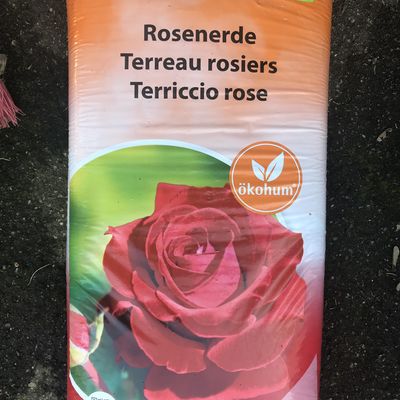
15 L bag – 45 L bag
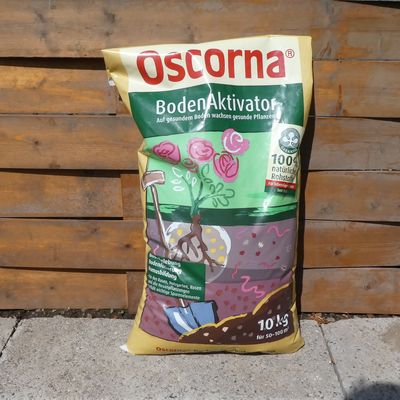
Oscorna BodenAktivator
3 kg carton of soil activator – 25 kg bag of soil activator
Climbing tea rose with heavily double blooms and a good fragrance in amber tones. Loves warm, sunny sites. Blooms borne singly, into autumn. Reasonably frost-hardy for a tea rose, healthy rich green foliage. Also suitable for winter gardens and cold greenhouses.
Gloire de Dijon is prone to disease in its first years, until it becomes established, and requires a sunny, warm location. We can no longer consider complaints regarding this variety.
Experiences and pictures from our visitors (16)
✓ this is about the plant, not the parcel service ✓ many years of experience and pictures from many regions ✓ more than 1,000 posts since 2002
In spring I planted Gloire de Dijon as a cascade standard. It blooms almost tirelessly with its dreamy flowers, but needs a spot where it is not exposed to the greatest midday heat. One should spray preventively against black spot, as old roses are sometimes prone to it.
The delicate play of colors of the densely double flowers enchants every rose lover.
When I like a variety especially, I often plant a second one in the garden. That's how it is with Gloire de Dijon too. For me she is the epitome of an Old Rose, one that no modern climbing rose can match. She suffered from the heat in this hot summer, but which rose didn't ? Although I have often heard that she is prone to problems etc., I can only say that in my garden she has bloomed without interruption and still has flowers now (she stands between the houses, somewhat sheltered), and other varieties have given me more grief than this one. Afterwards I'll plant a second one at the pavilion, which she is meant to climb, and I'll give her winter protection.
I planted a Gloire de Dijon in my garden this winter. The plant looks very nice and is very "robust". We expect to get the first flower by the end of the week.
“
Anonymer Rosenfreund10.05.2004 14:33
Eigentlich sollte ich es meiner Liebligsrose (und DAS ist sie definitiv!) nicht antun, sie im Kübel wachsen zu lassen - ich weiß. Leider ist es bei meinen Wohnverhältnissen nicht anders möglich. Sie steht etwas geschützt an der Westseite meines Hauses und schlägt sich bisher (jetzt im 3. Jahr) sehr tapfer und bildet reichlich ihre zauberhaften Blüten aus.
“
Flora02.06.2004 11:05
Die gloire macht mir große Probleme.
Im Frühjahr treibt sie jedesmal sehr schön aus.
Aber dann kurz vor oder während der Blüte beginnt sie plötzlich abzusterben.
Nach einem Rückschnitt beginnt das Spiel von vorn.
Wer weiss Rat ???
“
hob30.07.2004 16:41
Ich habe diese Rose vor 2 Jahren als wurzelnackte Ware an unsere Ost-Wand gepflanzt. Sie ist gut gewachsen, obwohl dort bereits diverse Büsche standen und hat gerade eine neue Rankhilfe bekommen, das alte Gitter war zu klein geworden. Sie blüht den ganzen Sommer hindurch wunderschön und macht keine Probleme. Auf dem Foto haben sich die Blüten nach dem Anbinden noch nicht wieder gedreht.
“
Katja03.06.2005 20:05
wunderschöne Rose, aber ein gefundenes Fressen für Läuse.
“
C G12.06.2005 14:50
Habe mir die Gloire de Dijon im April bestellt. Anfangs hat sie gar nicht ausgetrieben, das dauerte fast 2 Wochen (habe sie in einen Kübel gepflanzt). Danach kamen mind 5-6 Triebe. Nach einer anfänglichen Wachstumsphase, stagnierte sie, wuchs also nicht mehr. Ihre Gesamthöhe betrug in dieser Phase ca. 20 cm. Danach hab ich sie aus dem Kübel genommen, und sie auf die Ostseite unserer Hauses gepflanzt. Es dauerte wieder fast 2 Monate, bis sie wieder weiterwuchs. Jetzt hat sie an 6 Stellen wieder getrieben, und an allen Trieben Knospen gebildet :) Bin wirklich froh, dachte sie stirbt mir weg.
Sobald sich die Blüten in ihrer vollen Pracht zeigen, werd ich paar Fotos machen und sie hier rein stellen :)
viele Grüße aus dem Altmühltal
“
ChristinaS12.07.2009 11:20
So, nun ist Ihre erste Knospe etwas aufgegangen. Sehr erstaunlich ist es, dass sie auch schon duftet: Und zwar nach weißem Pfeffer, Anis und Patchouli :)
Mal sehen, was sie in der nächsten Zeit noch so alles an verschiedenen Duftnouncen bietet :)
Hier erstmal noch ein Foto.
Viele Grüße
ChristinaS
“
ChristinaS28.07.2009 15:26
Hier ein Foto meiner Gloire de Dijon im geöffneten Stadium :)
riecht herrlich!
“
ChristinaS30.07.2009 11:23
wunderschöne Blüten, leider nicht regenfest, Winterschutz in kälteren Regionen notwendig!
absolut empfehlenswert für Liebhaber Alter Rosen!!!
“
Rosenliebhaber16.09.2010 09:00
Obwohl ich nur 100 km von Dijon wohne, entfaltet die Gloire de Dijon nur eine kümmerlich Pracht. Seit drei Jahren bleibt sie etwa immer gleich gross, bzw. klein. Über einen Meter hoch wird sie nie. Sie zeigt nur zurückhaltend ihre Blüten. Im Herbst werde ich sie mal versetzen, vielleicht hilft das.
“
Catherine02.07.2011 22:32
Unsere Gloire de Dijon hat uns, trotz ungünstigem Standort, drei Jahre lang sehr viel Freude bereitet. Sie steht in einem Kübel im Halbschatten auf einem halbwegs geschützen Balkon. Im ersten Jahr kamen nur wenige Blüten, aber im zweiten überschlug sie sich fast. Wunderschöne Blüten mit zartem Duft in unglaublichen Mengen. Probleme mit Krankheiten gab es nicht. Die Gloire kam auch, mit Reisig abgedeckt, problemlos durch den heftigen Winter 2010/ 2011. Den letzten Winter nahm sie sportlich und fing schon früh wieder an auszutreiben, erneut mit vielen Knospen. Leider gab es nach anfänglich sehr warmen Temperaturen zwei Frosteinbrüche bei uns. Der erste schwächte sie "nur", aber der zweite hat sie leider, trotz Abdeckung, erledigt. Ich hatte den ganzen Sommer über gehofft, aber sie trieb nicht wieder aus.
Jetzt zaudere ich, ob ich den halbschattigen Kübelplatz einer weiteren Gloire antun oder mich für eine andere Kletterrose entscheiden soll. Wäre der Platz etwas sonniger, würde sich diese Frage nie stellen!
“
Arrowboy08.09.2012 21:36
...meine Lieblingsrose. Habe sie letztes Jahr als Containerpflanze gesetzt.
Hat jetzt im Juni an einer Südwand mega-prächtig geblüht, echt Super.
Aber Sternrusstau...hmmm
Hab die Blätter abgeschnitten. Ich versuchs mal mit EM (Mikroorganismen)
“
Jörgi25.05.2014 21:25
The most absolutely beautiful consumptive
With no other rose did it take me so long to give up. At first it blooms itself to death, really amazing, from March to November, and then at some point it dies off, again and again, and a cane of hope never sprouts again from below. I would pay any sum for a clone that works. Couldn't it be crossed with Paul's Himalayan Musk using CRISPR scissors?
Gloire de Dijon not growing, losing its leaves or getting yellow leaves? Here you can find out whether it is powdery mildew, black spot or rose rust, and what you can do about these diseases.
- namely if you Gloire de Dijon bought, planted and observed and cared for in the garden over several years some time ago.
Now help other garden lovers with your valuable experience when choosing a variety.
A rose is more than a parcel.A clematis is more than a parcel.Once it is shipped, its story with you begins.We have been working with [[rosen]] since 1896. We know: a good plant needs more than safe shipping.We have been working with [[rosen]] and [[clematis]] since 1896. We know: a good plant needs more than safe shipping.That is why we offer you not only plants, but also the [[wissen]] and experience to plant, prune and care for them properly.Schmid Gartenpflanzen · Rose nursery since 1896Schmid Gartenpflanzen · Rose and clematis nursery since 1896rosesclematisknowledgeknowledgeMore about our nursery
 English
 Deutsch
 Français
 Dansk
 Nederlands
 Italiano
 Español
 Português
 Polski
 Čeština
 Slovenčina
 Slovenščina
 Lietuvių
 Latviešu
 Eesti
 Română