 English
 Deutsch
 Français
 Dansk
 Nederlands
 Italiano
 Español
 Português

Clematis 'Pangbourne Pink'


Clematis 'Pangbourne Pink'
Growth height 75 cm
Award-winning pink clematis
- – Nodding, pink bell flowers from July to August
- – Non-climbing – perfect for borders, roses and containers
- – RHS award-winner, very hardy (zone 5) and easy-care


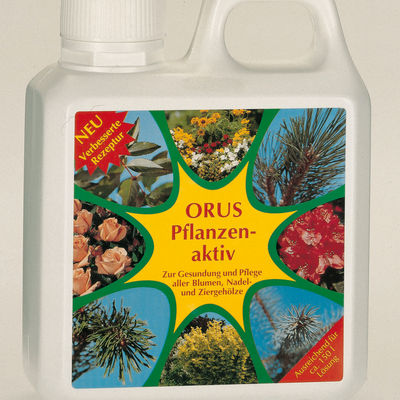
Fertiliser included – free shipping within Germany
Add a promotional item – we deliver the entire order with free shipping.
The discount applies per item: every promotional item in the basket reduces the shipping costs by the amount of one parcel.
Handy extras
- Purchase on invoice · 14-day right of withdrawal
- Shipping from 6,90 €
- To all 27 EU countries and Switzerland
- DHL GLS – you choose the shipping carrier
Fertiliser included – free shipping within Germany
Select size – we deliver the entire order with free shipping. Everything ships together.


Goes well with

- Colour
- bright pink
- Height
- 75 cm
- Flower size
- 5 cm
- Flowering period
- July to August
- Pruning / care
- cut back to 10 cm in March
- Pruning group
- 3
- Hardiness
- Zone 5 -28.8 to -23.4 °C
- Supplied as
- 2 l pot, with sturdy shoots
Clematis 'Pangbourne Pink' was raised in Britain in 1992 as a selection of 'Rosea' from the Integrifolia Group; long credited to Busheyfields Nursery in Kent, the introduction has been attributed to A. W. A. Baker since 2006. The nodding, bell-shaped flowers reach about 5 cm across, with four slender sepals twisted at the tips in rich pink with darker veining, slightly paler inside, and yellow stamens; in sunshine they release a delicate fragrance.
From July to August, 'Pangbourne Pink' produces its abundance of flowers on the current year's growth. At around 75 cm, it stays compact and does not climb on its own – the stems lean against neighbouring plants or a small support. This makes it an excellent addition to the perennial border, a companion for low shrubs and roses, or for a sunny to partly shaded container on the patio; it also works well as a cut flower.
'Pangbourne Pink' is very winter-hardy (zone 5, down to about -28 °C) and was given the Royal Horticultural Society's Award of Garden Merit. Cut the plant back to about 10 cm in March so it regrows vigorously and flowers freely. A sunny to partly shaded, sheltered spot with well-drained soil suits it best; as the sap and foliage can irritate skin, wearing gloves when pruning is advisable.
Experiences and pictures from our visitors (0)
✓ this is about the plant, not the parcel service ✓ many years of experience and pictures from many regions ✓ more than 1,000 posts since 2002


Read here what you should bear in mind when planting and how to prepare the planting site.
Everything about pruning groups and how to interpret them for the right pruning.


