 English
 Deutsch
 Français
 Dansk
 Nederlands
 Italiano
 Español
 Português

Dr. Eckener

rugosa rose (Czech Republic 1930, Vincinz Berger)
Dr. Eckener
Growth height 150-250cm
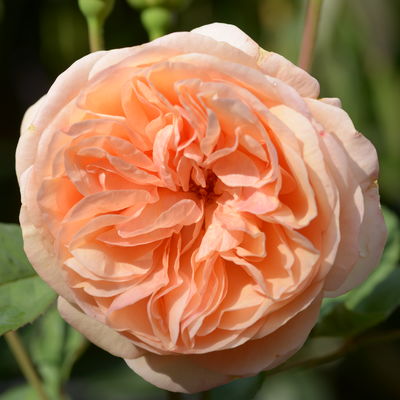
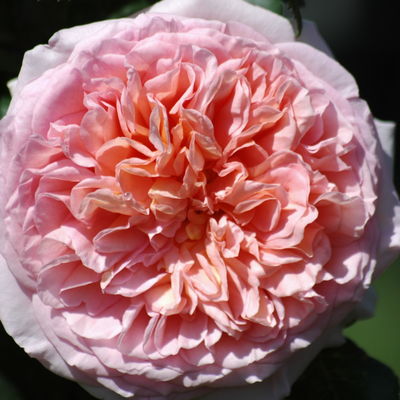
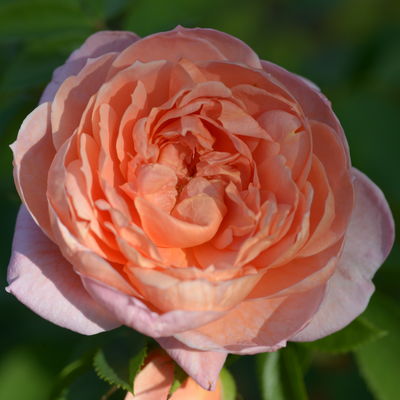
Apricot-Colored Rugosa Rose for a Wall
- – Semi-double blooms, strong fragrance, repeats after the main flush
- – Vigorous, up to 250 cm tall and wide, also grown as a climber
- – Historic variety from 1930, very hardy


Fertiliser included – free shipping within Germany
Add a promotional item – we deliver the entire order with free shipping.
The discount applies per item: every promotional item in the basket reduces the shipping costs by the amount of one parcel.
Handy extras
- Purchase on invoice · 14-day right of withdrawal
- Shipping 5,90 € via GLS (bare-root only), otherwise 6,90 €
- To all 27 EU countries and Switzerland
- DHL GLS – you choose the shipping carrier
Fertiliser included – free shipping within Germany
Select size – we deliver the entire order with free shipping. Everything ships together.


Goes well with

- Name (bot.)
- Rosa 'Dr. Eckener'
- Origin
- Czech Republic 1930, Vincinz Berger
- Size
- 150-250cm
- Flower colour
- apricot
- Flowering habit
- repeat-flowering
- Climbs
- yes
- Thorniness
- normally thorned / not specified
Experiences and pictures from our visitors (2)
✓ this is about the plant, not the parcel service ✓ many years of experience and pictures from many regions ✓ more than 1,000 posts since 2002
Hallöchen,
wir haben seid fast 20 jahren die Rose Dr. Eckner in unserem Garten. Ihr Duft ist sensationell und die blühfreudigkeit ist auch super. Ich würde sagen sie ist fast ein dauerblüher. Von mir sehr zu empfehlen.
Eine wunderbare Rose! Die gelb-roten Knospen öffnen sich zu Blüten mit einem wunderbaren Farbspiel von einem sonnengelben Herz bis hin zu feinen pink-rosa Blatträndern. Die Blüte vergeht in einem zarten, reinen Rosa. Von der Knospe bis zum Verblühen also ein Farbsiel von feurigem Rot-Gelb bis zartem Rosa. Der kräftige Duft ist mehrdimensional mit einer frischen Citrusnote. Dr. Eckener hat bei mir einen gesunden Wuchs. Erstaunlich, dass diese Rose nicht viel bekannter ist! Für mich die beste Rose überhaupt.


Read here what you need to consider when planting the rose Dr. Eckener should be aware of and how to prepare the planting site.
The most important care for roses is annual pruning. Here we explain when and how you Dr. Eckener prune.
For abundant blooms, you should fertilise the rose twice a year. Here you can find out when and how to supply a rose with nutrients.
The right way to move an old, established rose so that it keeps growing well in its new location.
An overview of animal pests on roses, including scale insects.
With tips on biological control.
Dr. Eckener not growing, losing its leaves or getting yellow leaves?
Here you can find out whether it is powdery mildew, black spot or rose rust, and what you can do about these diseases.
last viewed:


