 English
 Deutsch
 Français
 Dansk
 Nederlands
 Italiano
 Español
 Português

Versicolor


historic shrub rose (approx. 16th century)
Versicolor
Growth height ca. 120cm
Striped hedge rose for a container
- – Pale pink marked with carmine-red, strong fragrance, flowering once
- – Upright, self-supporting habit with decorative autumn foliage
- – WFRS World Rose 2009, one of the oldest cultivated roses


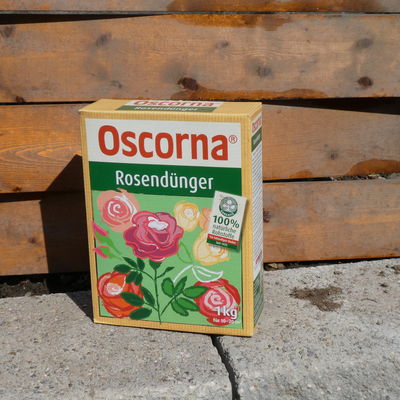
Fertiliser included – free shipping within Germany
Add a promotional item – we deliver the entire order with free shipping.
The discount applies per item: every promotional item in the basket reduces the shipping costs by the amount of one parcel.
Handy extras
- Purchase on invoice · 14-day right of withdrawal
- Shipping 5,90 € via GLS (bare-root only), otherwise 6,90 €
- To all 27 EU countries and Switzerland
- DHL GLS – you choose the shipping carrier
Fertiliser included – free shipping within Germany
Select size – we deliver the entire order with free shipping. Everything ships together.


Goes well with
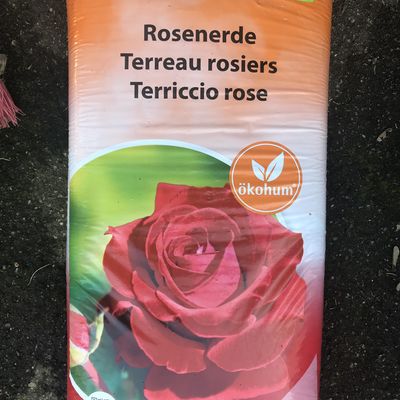
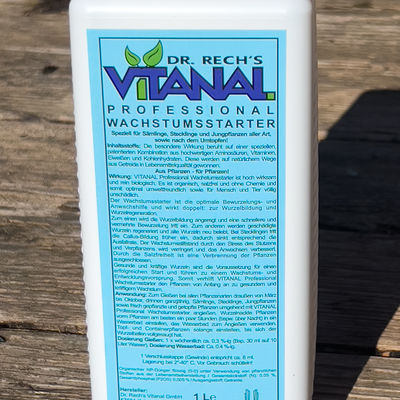
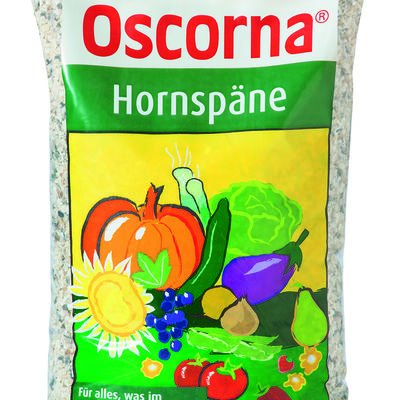
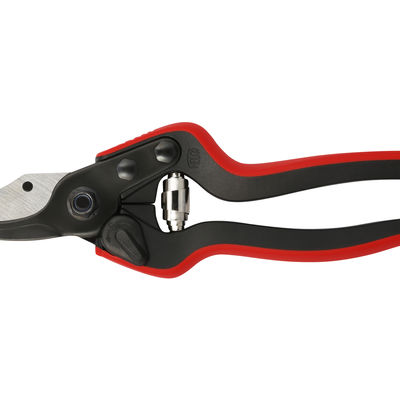

- Name (bot.)
- Rosa 'Versicolor'
- other names
- R. gallica versicolor | La Panachée | Provins Oeillet | Provins Panaché | Rosa gallica 'Rosa Mundi' | Rosa Mundi | Rosier de France à fleurs panachées
- Origin
- approx. 16th century
- Size
- ca. 120cm
- Flower size
- large
- Flower shape
- einfach to double
- Flower colour
- multicoloured
- Flowering habit
- summer-flowering
- in a tub / pot
- yes
- Fragrance
- Strong fragrance
- Awards
- AGM 1993
- Thorniness
- almost thornless / sparsely thorned *
* complete thornless roses do not exist. Any thorns that may be present are not grounds for a complaint
Rosa gallica 'Versicolor' is considered one of the oldest cultivated roses. It has many names, among them it is often also called 'Rosa Mundi'. It bears delicate pale pink, lightly carmine-red striped, fragrant blooms.
R. gallica Versicolor grows upright into a shrub with gallica-typical foliage that supports itself well. In autumn it shows attractive rose hips and appealing foliage colour. The low-maintenance rose is well frost-hardy and disease-resistant.
In 2009, Rosa Mundi was inducted into the Old Rose Hall of Fame of the World Federation of Rose Societies, and may thus call itself a 'world rose' more than 300 years after its first mention.
Experiences and pictures from our visitors (3)
✓ this is about the plant, not the parcel service ✓ many years of experience and pictures from many regions ✓ more than 1,000 posts since 2002
Although it flowers only once, it is my favourite rose, because it is so beautiful with its golden stamens. It is frost-hardy and disease-resistant and doesn't need much pruning. Partial shade is no problem for it, although it prefers standing in the sun.Automatically translated · Show original
I didn't used to even know that roses as wonderful as this exist. Rosa Mundi, as it is also called, was the first striped rose I came across, by chance, in a pot. Back then I was still a beginner when it comes to rose care and planted it in a relatively shady spot and didn't pay it any attention at all. The following year I was surprised by the beautiful flowers with which it delighted me, although I had hardly looked after it. Since then we have planted a second potted Rosa gallica versicolor.
I think one should plant far more Old Roses, because they enchant more than any hybrid tea rose.Automatically translated · Show original
Bei dieser Rose gerät man ins schwärmen! Sie hat schon eine lange Geschichte hinter sich (um 1583 entstanden) und hat somit schon viel erlebt. Sie ist sehr robust und winterhart. Im Frühsommer schmückt sie sich mit großen, herrlichen, rosa-weiß gemaserten, duftenden Blüten. Durch ihre kleine Wuchsform ist sie auch für kleinere Gärten geeignet. Sehr zu empfehlen!


Read here what you need to consider when planting the rose Versicolor should be aware of and how to prepare the planting site.
The most important care for roses is annual pruning. Here we explain when and how you Versicolor prune.
For abundant blooms, you should fertilise the rose twice a year. Here you can find out when and how to supply a rose with nutrients.
The right way to move an old, established rose so that it keeps growing well in its new location.
An overview of animal pests on roses, including scale insects.
With tips on biological control.
Versicolor not growing, losing its leaves or getting yellow leaves?
Here you can find out whether it is powdery mildew, black spot or rose rust, and what you can do about these diseases.
last viewed:


